Lecture:Vikings & England Kings
Essas páginas foram desenvolvidas por Cesar Vilela da Silva.
Essas páginas são para quem está procurando aprender ou desenvolver seu inglês.
Se você estiver procurando algo mais desafiador, é só ter paciência e procurar com calma e atenção. Obrigado, Divirta-se.
Lecture - History: Vikings and The Kings of England:
The first Viking invasion of England occurred during the reign
of King Æthelred of Wessex in the late 8th century, but the Viking
invasions and influence would continue for several centuries.
Below is a list of the kings of England from Æthelred to the
present, focusing on those who reigned during the Viking period
and their successors.
1.Æthelred I of Wessex(865–871):
Æthelred I was King of Wessex when the Viking "Great Heathen Army"
began its invasions. His reign was marked by constant battles
with the Vikings.
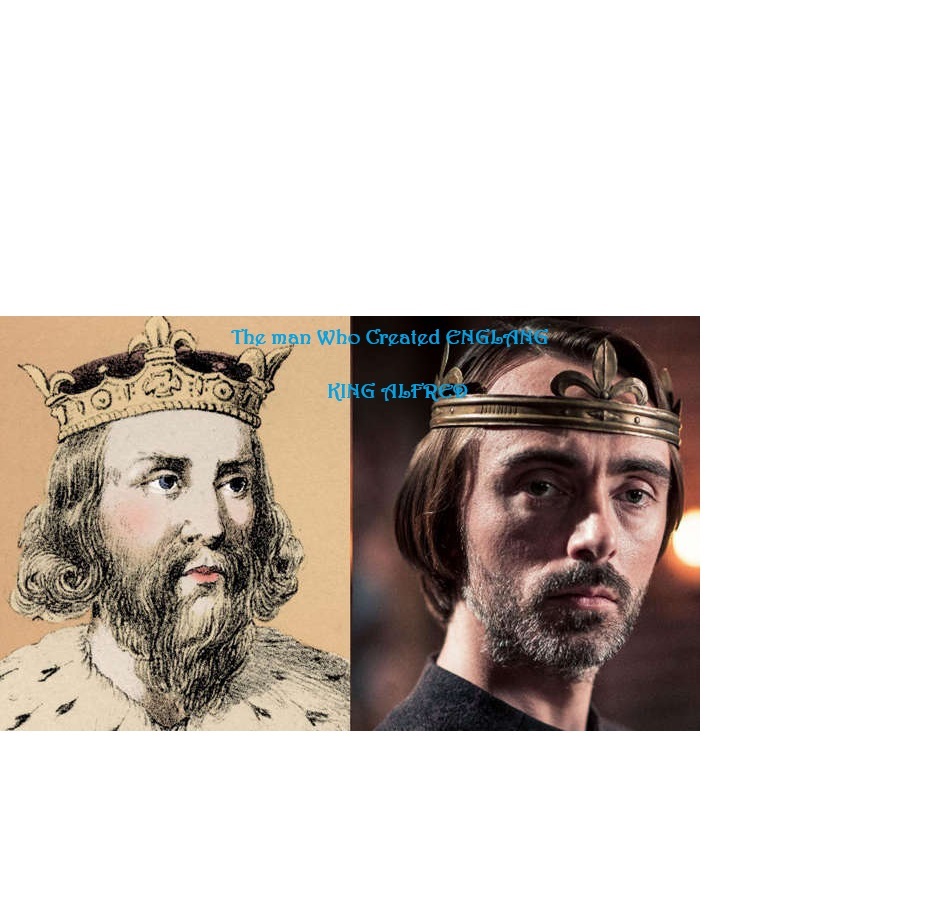
2.Alfred the Great(871–899):
Known as one of England’s greatest kings, Alfred defended his
kingdom against Viking invasions.
He made a famous stand at the Battle of Edington in 878 and
later established a peace treaty with the Vikings, creating the
Danelaw.
3.Edward the Elder(899–924):
Alfred’s son, Edward, continued the struggle against the Vikings
and expanded Wessex’s territory by conquering Danish lands.
4.Æthelstan(924–939):
Æthelstan was the first king to rule over a united England,
and he successfully defended the country against Viking invasions.
He is often regarded as the first King of all England.
5.Edmund I(939–946):
Edmund fought against Viking forces led by Olaf Guthfrithson
and Anlaf (Viking leaders). He eventually secured most of northern
England.
6.Eadred(946–955):
Eadred defeated Viking forces in Northumbria and solidified his
control over England.
7.Eadwig(955–959):
His reign was relatively short and marked by internal strife
rather than Viking conflict.
8. Edgar the Peaceful(959–975)
Edgar’s reign was largely peaceful, and he maintained control
over the Vikings through diplomacy and strong rule.
9.Edward the Martyr(975–978)
Edward’s brief reign ended when he was murdered, possibly due to
disputes over the throne.
10.Æthelred the Unready(978–1013, 1014–1016):
Æthelred faced numerous Viking invasions and earned the
nickname “Unready” due to his poor handling of the Viking threat.
He fled to Normandy when King Sweyn Forkbeard of Denmark invaded
England.
11.Sweyn Forkbeard(1013–1014):
Sweyn became the first Viking king of England after conquering
the country. He ruled for a brief period before his death.
12.Edmund Ironside(1016):
Edmund, son of Æthelred, became king after Sweyn’s death and
fought against Sweyn’s son, Cnut, for control of England.
The country was eventually divided between them, but Edmund died
shortly after.
13.Cnut the Great(1016–1035):
Cnut was a Viking king who ruled over England, Denmark, and
Norway. His reign brought a period of relative peace and prosperity.
14.Harold Harefoot(1035–1040):
Harold was the son of Cnut and served as king of England for a
short time after his father’s death.
15.Harthacnut(1040–1042):
Harthacnut, another son of Cnut, succeeded Harold Harefoot.
His reign was marked by heavy taxation and political instability.
16.Edward the Confessor(1042–1066):
Edward’s reign marked the end of the Viking Age in England.
He is remembered for his piety and his role in the events leading
up to the Norman Conquest.
17.Harold Godwinson(1066):
Harold became king after Edward the Confessor’s death.
He famously defended England against an invasion by the
Norwegian king Harald Hardrada but was later defeated by
William the Conqueror at the Battle of Hastings.
18. William the Conqueror(1066–1087):
William, Duke of Normandy, invaded England in 1066 and
defeated Harold at the Battle of Hastings. His conquest brought
an end to Anglo-Saxon rule and marked the beginning of Norman
rule in England.
From William the Conqueror onwards, the English monarchy passed
through the Norman, Plantagenet, Tudor, Stuart, Hanoverian, and
Windsor dynasties, evolving through significant historical periods,
but the Viking influence and invasions effectively ended with the
Norman Conquest.