Sodium Eleventh Element of the Periodic Table
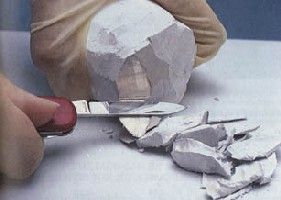
Sodium is a silvery white metal, soft and shiny in texture, capable of decomposing in contact with water to form a hydroxide, releasing oxygen under violent reaction. It is always found in nature in some combination with various elements, in numerous natural compounds, such as table salt (NaCl, sodium chloride). In fact, sodium is quite reactive, forming various compounds with various inorganic and organic chemical agents.Initially known only in the form of sodium chloride and carbonate, this metallic element is isolated and first discovered in 1807 by Humphry Davy, amidst his studies on electrolysis (the passage of electric current) and its behavior in solutions. alkaline, in particular caustic soda (NaOH, known scientifically as sodium hydroxide). Recognized as the sixth element in abundance in nature, sodium constitutes 2.6% of the composition of the earth's crust and is also the most abundant element of the alkali metal group. It also has the property of easily conducting heat and electricity, thus providing a third feature, that of displaying the photoelectric effect, or the ability to emit electrons when exposed to light.
The name sodium originates from the Latin “soda” name of a medicinal plant to cure headaches, and from which sodium carbonate can be extracted. Already its symbol, “Na”, derives from the old Latin form of the name of the element “sodium carbonate” in Greek (natrium - derived from nitron).
There is abundant presence of sodium in the sun and other stars scattered throughout the cosmos, with sodium lines being among the most visible in the entire solar spectrum. The element is commonly found in nature as the mineral sodium chloride, but there are other varieties worth mentioning, such as cryolite (sodium aluminum fluoride).
The process of obtaining sodium is by electrolysis of the fused sodium chloride, receiving doses of calcium chloride in order to reduce the melting point. In contact with animal skin and vegetable tissue, it is highly corrosive.
Its specific weight is 0.968 g / cm³, with a melting point of approximately 97.72 degrees Celsius, having an atomic weight of 22.98. Its atomic number is 11, making sodium a place among the elements called “alkali metals” in the periodic table of chemical elements.
Bibliography: http://www.tabelaperiodica.hd1.com.br/ http://www.mspc.eng.br/quim1/ http://elements.vanderkrogt.net/